Human Design Types Explained – Generator, Projector, Manifestor, Reflector and Manifesting Generator
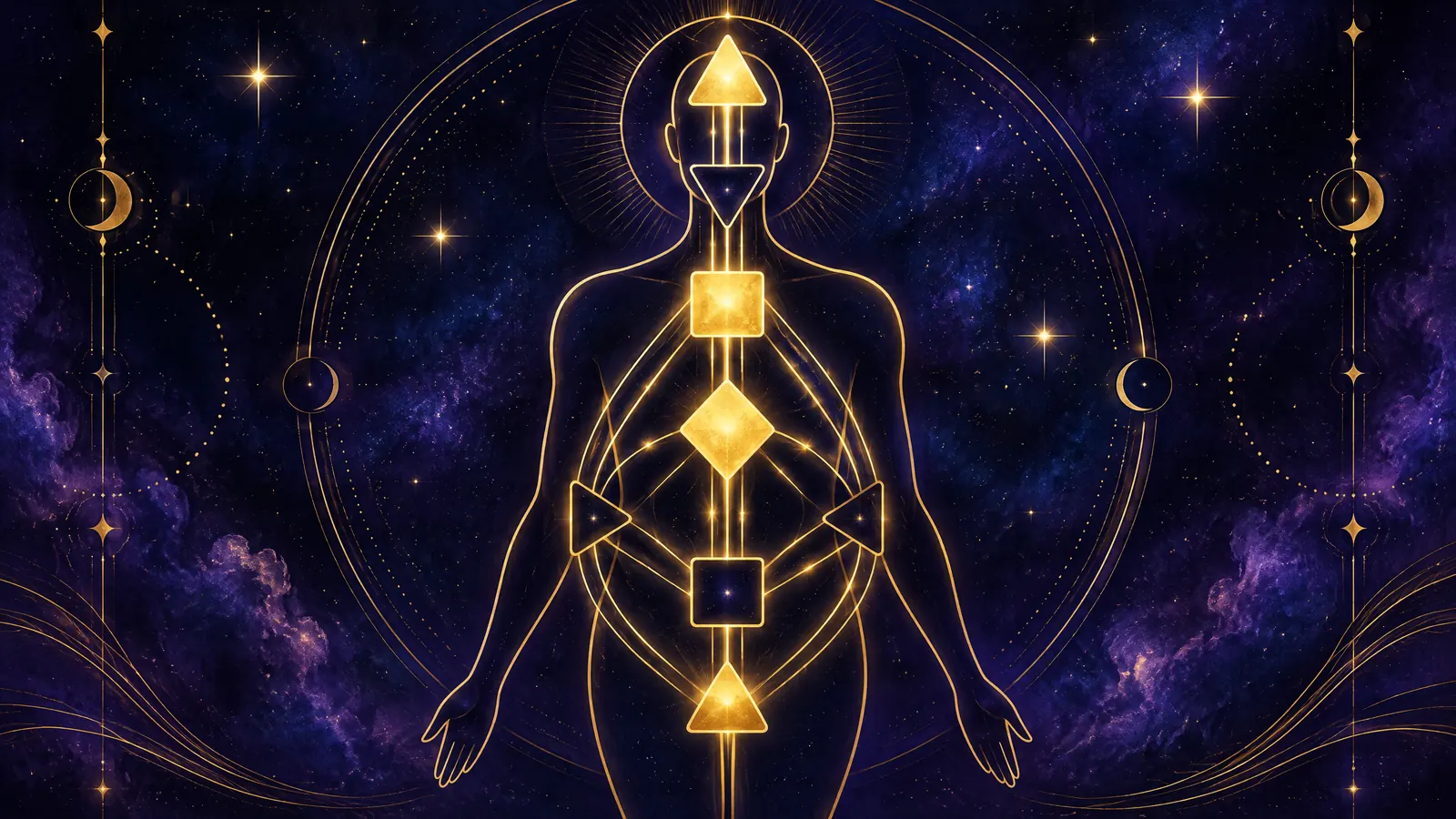
Human Design sorts people into five types: Manifestor, Generator, Manifesting Generator, Projector and Reflector. Your type is calculated from your birth date, time and place, and it describes how your energy tends to work. Each type has a "strategy" for making decisions with less friction, plus a feeling that signals you are on or off track.
What is Human Design?
Human Design is a modern interpretive system that blends Western astrology, the I Ching, the Kabbalistic Tree of Life and the Hindu chakra system into one chart, called a bodygraph. It was introduced by Ra Uru Hu (born Alan Robert Krakower), who said he received it during a mystical experience on the island of Ibiza in 1987.
It is best approached as a tool for self-reflection, not as science. Nothing in Human Design has been confirmed by research, and the Wikipedia overview of Human Design describes it the same way. Many people still find its language useful, because it gives them a fresh, practical way to think about rest, work and decisions.
The bodygraph shows nine "centers" (energy hubs such as the Sacral, the Throat and the Solar Plexus). A center is either defined (colored in, consistent) or open (white, more receptive to others). Your type comes from which centers are defined and how they connect.
The 5 Human Design types at a glance
The five types differ mainly in whether the Sacral center is defined and whether a motor center connects to the Throat. The table below gives each type's strategy, its "signature" (the feeling of being aligned) and its "not-self" theme (the feeling that warns you something is off), with population shares as commonly cited in Human Design literature.
| Type | Commonly cited share | Strategy | Signature | Not-self theme |
|---|---|---|---|---|
| Manifestor | about 8–9% | Inform before acting | Peace | Anger |
| Generator | about 37% | Wait to respond | Satisfaction | Frustration |
| Manifesting Generator | about 33% | Wait to respond, then inform | Satisfaction | Frustration (and anger) |
| Projector | about 20% | Wait for the invitation | Success | Bitterness |
| Reflector | about 1% | Wait a lunar cycle (about 28 days) | Surprise | Disappointment |
These percentages are figures repeated across Human Design teaching materials, not results of a formal population study. Treat them as a rough sense of how common each type is said to be.
What does each type mean in daily life?
Each type describes a different rhythm of energy. Here is what that looks like in plain terms.
Manifestor
Manifestors are described as initiators. They can start things without waiting for anything outside them, and they often feel a strong urge to move on their own timing. Their strategy, to inform, simply means telling the people affected before they act. This is said to reduce resistance from others and bring the sense of peace Manifestors are looking for.
Generator
Generators have a defined Sacral center, which Human Design treats as a steady source of life-force and work energy. Their strategy is to respond: rather than forcing a plan from the head, they notice what life brings and check their gut reaction. A Generator doing work they truly respond to is said to feel deep satisfaction; frustration is the sign they have said yes to the wrong things.
Manifesting Generator
Manifesting Generators are a sub-type of Generator with a motor connected to the Throat, so they can move fast and juggle several interests. They also wait to respond, then inform others before acting. Skipping steps and changing course are considered normal for them, as long as the gut response is honored.
Projector
Projectors do not have a defined Sacral center, so their gift is described as guiding and seeing others clearly rather than sustained physical output. Their strategy is to wait for the invitation for major things such as careers, relationships and where to live. Recognition from others is said to lead to success; pushing advice on people who did not ask tends to bring bitterness.
Reflector
Reflectors have all nine centers open, which is the rarest configuration. They are described as mirrors of their community and environment. Their strategy is to give big decisions about a full lunar cycle, roughly 28 days, so they can feel the question from many angles before they choose.
If you would like to see which of these types shows up in your own chart, you can create your free soul map with a few details, including your birth time if you know it.
What is authority in Human Design?
Authority is the part of your chart said to make reliable decisions. Strategy tells you how to engage with life; authority tells you where in your body or awareness the "yes" or "no" comes from. The main authorities are:
- Emotional (Solar Plexus): wait out the emotional wave and decide once you feel calm and clear. This is the most common authority.
- Sacral: a quick gut sound or sensation, often an "uh-huh" or "unh-unh", in the moment.
- Splenic: a quiet, one-time intuitive hit that tends to speak only once.
- Ego (Heart): what you truly want and are willing to commit your willpower to.
- Self-Projected (G center): hearing yourself talk it through and noticing what feels like "you".
- Mental or environmental: for some Projectors, clarity comes from talking with trusted people and being in the right place.
- Lunar: for Reflectors, the 28-day cycle described above.
Put together, strategy and authority form the core practical advice of Human Design. A Generator with Emotional authority, for example, would wait to respond and then let the emotional wave settle before saying yes.
What is a Human Design profile?
Your profile is a pair of numbers, such as 1/3 or 4/6, that describes your personality "costume" or role in life. It comes from the line number (1 to 6) of the Sun in two calculations: the moment of birth (the conscious side) and a point about 88 degrees of the Sun's movement before birth (the unconscious, or "design", side).
There are 12 profiles in total: 1/3, 1/4, 2/4, 2/5, 3/5, 3/6, 4/6, 4/1, 5/1, 5/2, 6/2 and 6/3. Each line has a theme:
- Line 1: the investigator, who needs a solid foundation.
- Line 2: the natural talent, who needs time alone.
- Line 3: the experimenter, who learns through trial and error.
- Line 4: the networker, whose opportunities come through people they know.
- Line 5: the problem-solver others project expectations onto.
- Line 6: the role model, whose life is said to unfold in three phases.
The same birth data and the same 88-degree calculation are used in Gene Keys, which reads the chart through 64 archetypes. Our guide to Gene Keys shadow, gift and siddhi explains how the two systems connect.
Why does Human Design need your birth time?
Human Design needs your birth time because the positions of the Moon and the inner planets shift quickly, and a difference of a few hours can change your defined centers, your type or your authority. An exact time gives the most reliable chart. If you do not know yours, a chart can still be drawn, but some details should be held more loosely. Our article on reading a birth chart without a birth time covers what stays dependable.
How Estrella uses Human Design in your soul map
In an Estrella soul map, Human Design is one of five traditions read side by side, alongside Western astrology, Pythagorean numerology, Kabbalah and gematria, and Gene Keys. Seeing your type next to your life path number or your Moon sign often makes patterns easier to recognize, because the same theme shows up in different languages.
You can start with a free first reading on the site in a few questions. If it speaks to you, the full soul map is a personal PDF of 20+ pages, delivered on WhatsApp, covering love and relationships, work and purpose, family and roots, personal growth, the year ahead and the numbers of your name. When you are ready, start your free reading here. It is meant for self-reflection, not professional advice.
FAQ
What is the most common Human Design type?
Generators are most often cited as the most common type, at around 37%. If you count Manifesting Generators with them, as Human Design does, roughly 70% of people are said to belong to the Generator family.
Can my Human Design type change?
No. Your type is fixed by your birth data, so it does not change over your lifetime. What can change is how consistently you live by your strategy and authority.
What is the difference between strategy and authority?
Strategy is your general way of engaging with life, such as waiting to respond or informing others. Authority is the inner signal you use to make a specific decision, such as your gut response or your emotional clarity over time.
Is Human Design scientifically proven?
No. Human Design is a modern spiritual and interpretive system introduced in 1987, and it has not been validated by scientific research. Many people use it as a reflective framework for understanding themselves, not as a factual description.
Do I need my exact birth time for Human Design?
An exact birth time gives the most accurate chart, because some planets move fast enough to change your type or authority within hours. Without it, a chart can still be read, but some details are less certain.
Keep reading
Gene Keys Explained – The 64 Keys, Shadow, Gift and Siddhi
Gene Keys explained in plain English, with the 64 keys, the shadow, gift and siddhi spectrum, and your Activation Sequence. See what your keys say.
What Is a Soul Map? A Plain-English Guide to Soul Map Readings
Learn what a soul map is, which five traditions it draws on, and what a soul map reading covers. Start with a free first reading in a few questions.
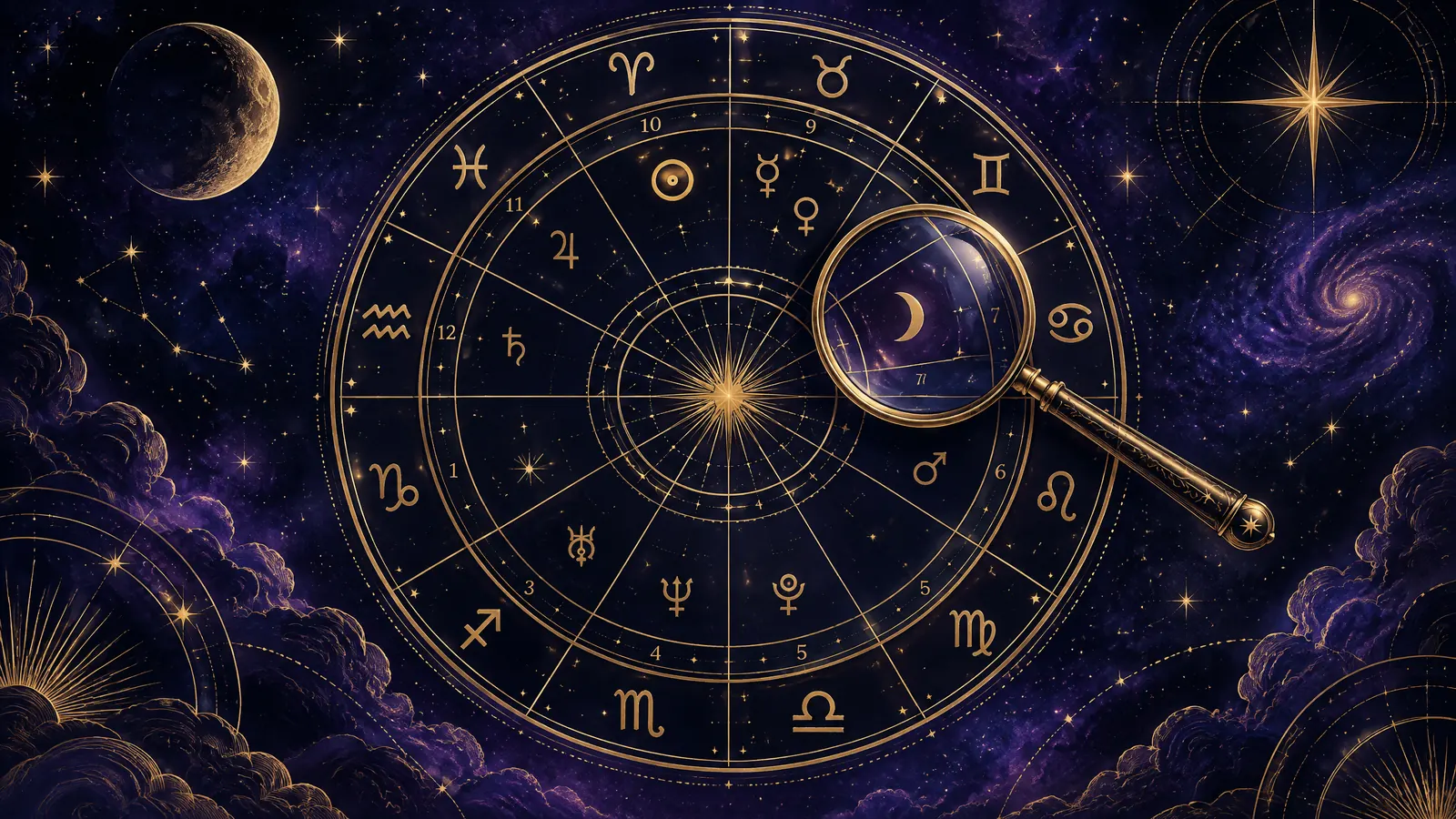
How to Read a Birth Chart: A Step-by-Step Guide for Beginners
A plain-English beginner's guide to reading your birth chart: planets, signs, the 12 houses, major aspects and a simple step-by-step order.
For self-reflection and personal growth only: not a prediction, a promise or professional advice. Maps and texts are created with AI.